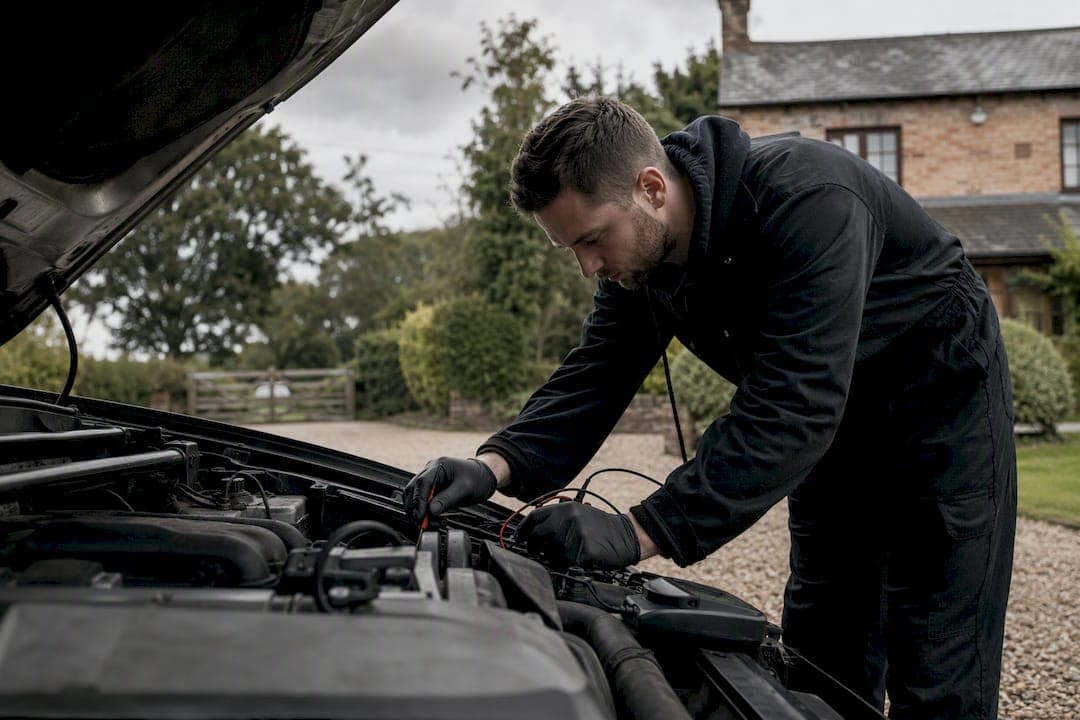
Commission a professional pre purchase car inspection and run the free DVLA MOT history check plus a paid HPI or vehicle history check before you hand over any money. Together they catch the two things that ruin used car purchases: hidden mechanical faults and outright fraud. If you're buying anywhere in Cheshire, Tracksideauto can carry out that inspection at the seller's address.
TL;DR:
- A comprehensive pre-purchase inspection by a qualified mechanic is essential to identify hidden faults and prevent fraud before buying a used car.
- The most suitable inspection level depends on the vehicle's value and type, with advanced checks recommended for electric or performance cars above certain price points.
- Always verify ownership documents, MOT history, and finance status through DVLA and HPI checks to avoid mileage fraud and outstanding debts.
- Read inspection reports carefully, and walk away if there are discrepancies in the VIN, write-off history, or outstanding finance, rather than negotiating on structural issues.
- Booking a mobile inspection with a reputable provider like Tracksideauto ensures a convenient, transparent process with a clear, photo-backed report and options for repairs if needed.
Table of Contents
- What is a pre purchase inspection and which level do you need?
- What does a physical inspection actually check?
- Which documents do you need to check alongside the inspection?
- How do you read the inspection report and decide?
- What should you tell the inspector, and what happens on the day?
- How Tracksideauto carries out pre purchase inspections in Cheshire
- Book a pre purchase inspection with Tracksideauto
- Small checks that catch most of the trouble
- Sources
What is a pre purchase inspection and which level do you need?
A pre purchase inspection is a physical assessment carried out by a qualified engineer or mechanic before you buy, checking mechanical condition, bodywork, and electrics against what the seller claims. It isn't the same as an MOT, which only confirms roadworthiness on the day of testing. An inspection tells you what's likely to fail next, and whether the car has been in an accident the seller hasn't mentioned.
Providers generally split inspections into three tiers, and picking the wrong one wastes money either way.
- Basic inspections cover visual checks of bodywork, tyres, fluid levels and obvious mechanical wear, usually without diagnostics. Fine for a low-value runaround from a private seller you trust.
- Comprehensive inspections add an underside check, a proper road test and a look at service history consistency. This is the sensible default for most used car purchases, private or dealer.
- Advanced or premium inspections bring in a diagnostic scanner, a longer road test, and closer scrutiny of structural repairs. Worth the extra cost on electric vehicles, performance cars, or anything above roughly £15,000.
Price bands vary by provider and region, but as a guide, RAC lists Basic inspections from £132, Comprehensive from £225, and Advanced from £290. Mobile inspections carried out at the seller's home or workplace tend to suit private sales best, since dealers often prefer you use their own workshop or forecourt.
What does a physical inspection actually check?
An engineer working through a used car inspection checklist moves in a fairly fixed order, and each stage catches a different type of problem.
- Bodywork and paint, checked visually and sometimes with a paint depth gauge, to spot filler or respraying that points to accident repair.
- Underside, steering and suspension, inspected on a ramp or with the car jacked up, looking for corrosion, leaks, and worn bushes.
- Engine bay and driveline, checking for oil, coolant and gearbox leaks that a quick glance under the bonnet misses.
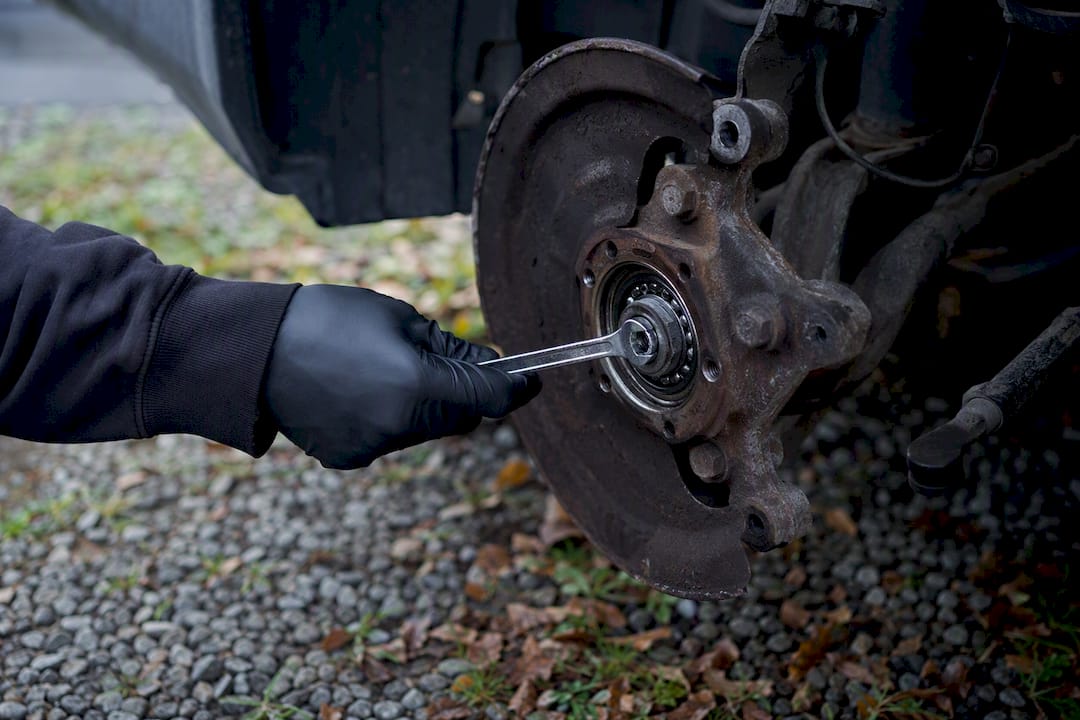
- Brakes, tyres and wheel bearings, including tread depth, uneven wear patterns, and disc condition.
- Electrics and warning lights, plus a basic diagnostic scan where the inspection tier includes one.
- Road test, usually 15 to 30 minutes, assessing gearbox behaviour, steering feel, and unusual noises at speed.
The AA is clear that most inspections, even Comprehensive ones, are visual and don't involve dismantling the car; advanced tiers add diagnostics and a longer road test, but no inspection can see inside a sealed gearbox or spot every intermittent fault. That's a limitation worth knowing before you rely on a clean report as a guarantee.
Pro Tip: Ask whether the road test includes motorway speeds. A lot of gearbox and wheel bearing issues only show up above 50mph, and a car park test drive will miss them entirely.
Which documents do you need to check alongside the inspection?
A mechanical inspection tells you about the car. It tells you nothing about who owns it, whether there's outstanding finance, or whether the mileage has been altered. That's what the paperwork is for, and skipping it is more common than you'd think.
Carwow's research found a significant share of buyers felt they hadn't done proper checks, with many buyers never look at the V5C and many buyers skip the MOT history entirely. That gap is exactly where finance fraud and mileage discrepancies slip through.
Run these checks in sequence:
- Free DVLA checks: MOT history confirms test dates and recorded mileages, and vehicle information verifies make, model, tax and SORN status. Do this before you even arrange a viewing.
- Paid HPI or vehicle history check: reveals outstanding finance, write-off history, and stolen vehicle markers, none of which show up on a test drive.
- The original V5C, checked at viewing against the seller's ID and cross-checked on gov.uk. A photocopy is a warning sign.
- Service invoices, matched against MOT mileage records for consistency. Watch for identical handwriting or oddly uniform garage stamps, a common forgery sign.
A structured run of these seven checks, in the order above, typically takes under an hour and costs less than £30 in total, cheap insurance against a five-figure mistake.
How do you read the inspection report and decide?
A decent inspection report gives you photos, a clear verdict (buy, inspect again, or avoid), and enough detail to negotiate with evidence rather than guesswork. Some findings are dealbreakers. Others are just leverage.
Walk away, no negotiation, if the report shows:
- A VIN that doesn't match the V5C or the plate.
- An undisclosed write-off history on the HPI check.
- Outstanding finance still registered against the car.
- Major structural corrosion, particularly around chassis rails or sills.
Worn tyres, a cracked wing mirror, or a service that's slightly overdue are normal negotiation points, not reasons to abandon the purchase. Use the photos and any diagnostic codes from the report to ask for a specific price reduction rather than a vague "it needs work" discount.
If the seller refuses to allow an inspection or a proper test drive at all, Citizens Advice treats that as reason enough to walk away without further discussion. A genuine seller has nothing to lose by letting an engineer look underneath the car.
What should you tell the inspector, and what happens on the day?
Booking a mobile pre purchase inspection is straightforward, but a few details up front make the visit go smoothly and avoid an awkward standoff with the seller.
- Give the registration (VRM), the seller's address, and confirm the seller knows an inspection is happening and has agreed to it in advance.
- Confirm keys will be available and that the seller is comfortable with a test drive, since some private sellers assume otherwise.
- Ask about report format and turnaround: most providers deliver a photo-led PDF within 24 to 48 hours, with some offering a verbal summary on the day.
- Check what's included versus what's an extra, since diagnostics, underside jacking, or specialist checks on electric vehicles sometimes carry an additional charge depending on the provider.
A driveway or car park is fine for most checks. If the underside needs a proper look, ask whether the inspector brings a ramp or ramps, or whether they'll need the car jacked at height, since that changes what surface you need available.
How Tracksideauto carries out pre purchase inspections in Cheshire
Tracksideauto runs pre purchase inspections as a mobile service across Cheshire, meaning the engineer comes to the seller's driveway, a dealer forecourt, or wherever the car is sitting, with no call-out charge within the area. That matters for private sales especially, where asking a seller to drive to a garage rarely goes down well.
The same team handling your inspection also covers diagnostics, MOT preparation, ECU remapping and restoration work, so if the inspection turns up something fixable rather than a dealbreaker, there's a direct route to sorting it without starting again with a different garage. That's particularly useful for older or specialist cars, where restoration experience counts for more than a generic checklist.
What you get from the visit:
- A photo-led written report covering bodywork, underside, electrics and road test findings.
- Honest pricing agreed before the engineer arrives, with no upselling once they're on site.
- A follow-up visit if the seller agrees to carry out repairs before completion.
- Straight answers if you call to ask what a finding actually means for the purchase.
Book a pre purchase inspection with Tracksideauto
Tracksideauto is the direct alternative to booking a generic inspection firm and then chasing a separate garage for repairs. Because the same mobile mechanic handles diagnostics, ECU work and MOT prep, a finding on the inspection report doesn't mean starting a new search for someone to fix it.
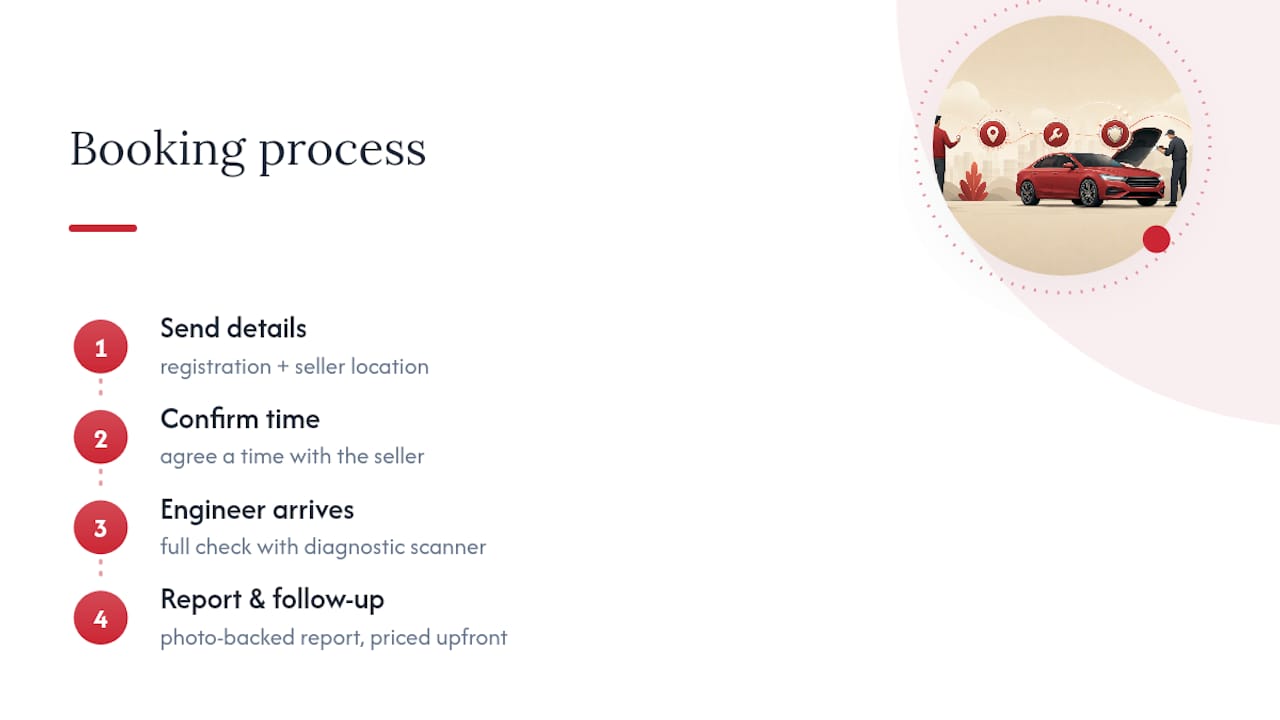
Booking takes three steps: send the registration and seller's location, confirm a time that suits both you and the seller, and the engineer arrives with everything needed for a full check, including a diagnostic scanner. You'll get a photo-backed report with a clear verdict, priced upfront with no surprise add-ons. If the seller agrees to repairs before you complete, Tracksideauto can return to verify the work's been done properly.
If you're buying near Wilmslow, Knutsford, Crewe, or Sandbach, the same mobile mechanic service covers your area with free call-out. Get in touch before your viewing and have the inspection booked before you're standing on the seller's driveway with nothing to check against but a hunch.
Small checks that catch most of the trouble
Three things buyers consistently miss: the spare key (a missing second key often means a lost sale to a locksmith later), the boot floor under the carpet (a common place to hide flood or accident damage), and whether the alarm fob actually pairs with the car in front of you; for higher-value vehicles, buyers may want to consider a proven tracker and immobiliser system as an additional theft risk countermeasure.
Structure the viewing so the inspection happens before you discuss price, not after you've already mentally bought the car. Bring a torch and a magnet. The torch shows what daylight hides in wheel arches; the magnet won't stick to filler over corroded steel.
— David
Sources
- Gov
- Buying a Used Car UK: The 7 Documents to Check (2026)
- Vehicle inspection | Pre-purchase car inspections | The AA