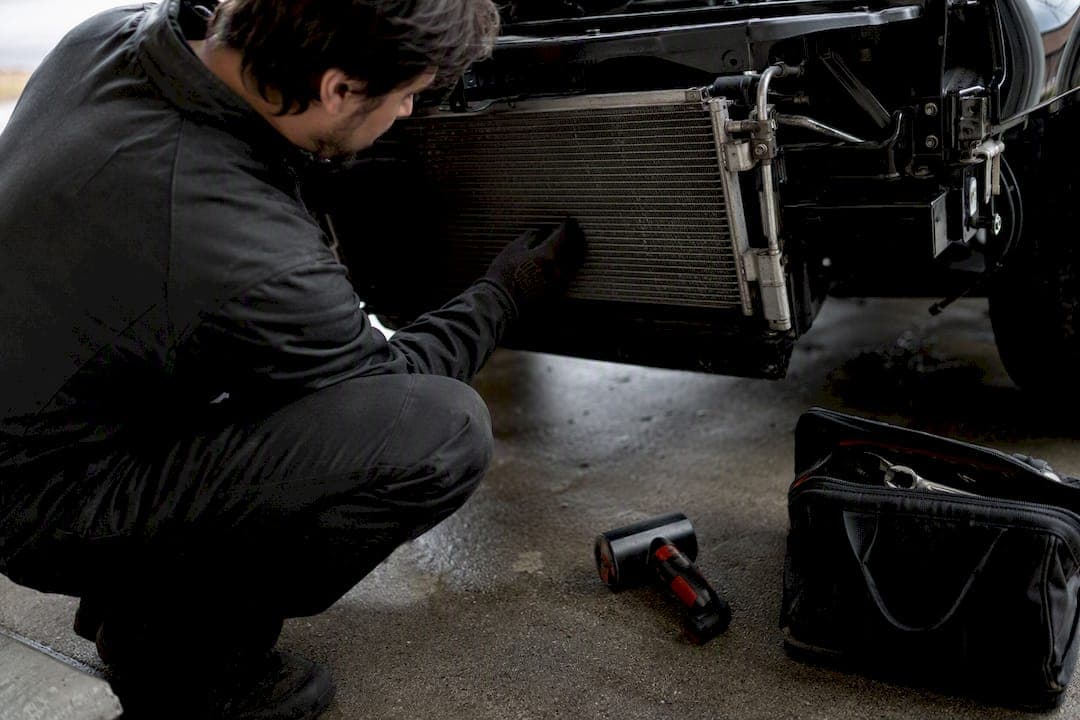
If your car aircon isn't cold, the most likely culprit is a refrigerant leak or a failing compressor, though a wrong setting can sometimes fake a fault. Do this now:
- Check AC is actually on, recirculate is engaged, and the blower is on high
- Compare vent temperature at idle versus while driving
- If you hear grinding, smell anything odd, or suspect a leak, do not reach for a DIY recharge can
Quick fact: a majority of "not cold" complaints trace back to refrigerant lost through a leak, not a broken compressor.
Key Takeaways
Most cases of a car aircon not blowing cold trace back to a refrigerant leak, a failing compressor, or a blocked condenser, and diagnosis should always confirm which one before any recharge.
| Point | Details |
|---|---|
| Match the symptom pattern | Warm at idle but cold at speed usually means airflow or refrigerant loss, not electrical failure. |
| Rule out the simple stuff first | Check settings, recirculate mode, and the cabin filter before assuming a major fault. |
| Never DIY a refrigerant recharge | Stop-leak additives and pressurised cans can contaminate the system and risk frostbite injury. |
| Get leaks fixed, not just topped up | A regas without finding the leak just delays the same fault by weeks. |
| Book a straight diagnosis | Trackside Auto offers free mobile call-outs across Cheshire with a written quote before any work begins. |
Table of Contents
- How to interpret what your car is telling you
- Safe troubleshooting you can do without tools
- What technicians most often find and how to tell them apart
- What a proper diagnosis looks like, and why DIY recharges are risky
- How long common repairs take and what typically affects cost
- A mobile mechanic's take on aircon faults
- How Trackside Auto handles an aircon call-out
- Authority links and consumer resources
- Sources
How to interpret what your car is telling you
The pattern of when your aircon blows hot air tells you almost as much as the temperature itself.
- Warm at idle, cold at speed usually points to low refrigerant, a blocked condenser, or a weak condenser fan that can't move enough air until road speed helps it out.
- Sudden, complete loss of cooling suggests a compressor clutch or coil failure, a blown fuse, or a major leak that's emptied the system fast.
- Intermittent cooling, or cold on one side and warm on the other, often means a sticking expansion valve or a faulty blend/vent door actuator, especially on cars with dual-zone climate control.
- Weak airflow even when the air feels cool is frequently a clogged cabin filter or a tired blower motor rather than a refrigerant problem at all.
Write down which of these matches your car. It's the single most useful thing you can hand a mechanic before they even open the bonnet.
Safe troubleshooting you can do without tools
Before you assume the worst, rule out the boring stuff. It takes ten minutes and it's free.
- Confirm the AC button is actually engaged, recirculation is on, fan speed is up, and the vents are pointed correctly
- Note the vent temperature at idle, then again after a few minutes of driving, and see if it changes
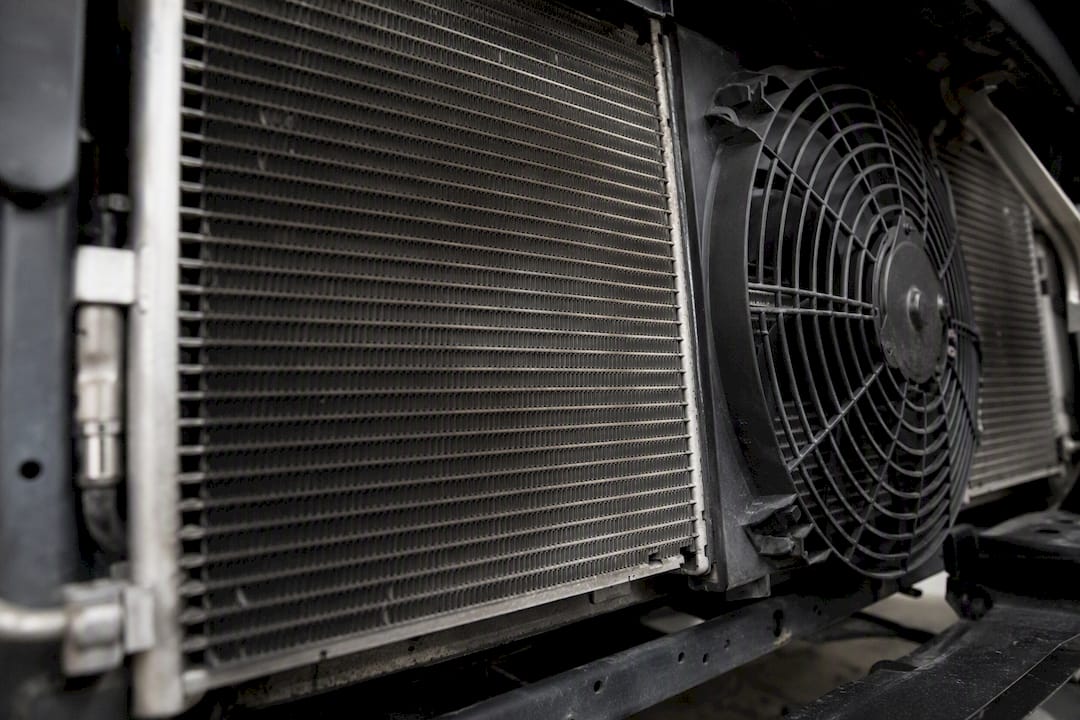
- Peer through the front grille: is the condenser caked in leaves, mud, or bugs? Do the condenser fans spin up when the AC is running?
- If you can reach it easily, check the cabin air filter. A filter clogged with leaves and grit chokes airflow even on a perfectly healthy system
- Log any noises, burning smells, or a sweet chemical odour, and when the problem started
Pro Tip: Take a phone video of the fans running (or not running) with the AC on. It takes thirty seconds and saves a mechanic from having to recreate the fault from scratch.
This kind of quick visual check on the condenser and fan operation often separates an airflow problem from a charge problem in minutes, before anyone's even connected a gauge.
What technicians most often find and how to tell them apart
Six faults account for most cases of a car AC not blowing cold air, and each leaves its own clues.
- Low refrigerant from a leak. Cooling fades gradually over weeks or months. Gauges show low pressure on both sides, and you'll sometimes spot oily residue at pipe joints, since refrigerant oil leaks alongside the gas.
- Compressor failure. This tends to arrive suddenly, often with a grinding or whining noise, and the clutch may simply refuse to engage. There's a real risk of metal debris contaminating the rest of the system.
- Clogged or damaged condenser. Cooling drops off badly at idle but improves with airflow at speed. Bent fins or visible road debris are a giveaway, and high-side pressure readings will be abnormal.
- Condenser fan or relay failure. No airflow through the radiator pack at low speeds, sometimes paired with the engine running hotter than usual in traffic.
- Expansion valve or orifice tube blockage. Cooling comes and goes, and you may see frost forming on the pipework near the valve itself, a strange sight on a warm day.
- Cabin filter or blower motor faults. The air that comes out is genuinely cold, there's just not enough of it.
- Electrical faults. A blown fuse, failed relay, or faulty pressure switch can stop the compressor engaging at all, even with a full refrigerant charge.
Diagnosis should always locate and repair the leak or fault before anyone tops up the refrigerant charge, because recharging a leaking system just delays the same problem by a few weeks.
What a proper diagnosis looks like, and why DIY recharges are risky
A competent aircon diagnosis isn't guesswork. It's a manifold gauge connected to the high and low sides to read pressures against the system's spec, followed by UV dye, an electronic sniffer, or a bubble test at suspect joints to pinpoint exactly where refrigerant is escaping.
- Manifold gauge readings confirm whether the system is undercharged, overcharged, or has a blockage
- UV dye or electronic leak detectors find the exact leak point rather than just confirming one exists
- A visual and functional check covers the condenser's condition, whether the compressor clutch engages properly, and whether fans and relays actually respond
Refrigerant is stored under pressure and expands rapidly when released, dropping to temperatures cold enough to cause frostbite on contact with skin. Handling it without the right equipment isn't a minor risk, it's a genuine injury hazard.
Stop-leak additives and pressurised recharge cans sold for home use are a common cause of long-term damage: they can clog expansion valves and contaminate the system, turning a simple regas into an expensive strip-down. A trained technician recovers old refrigerant properly, checks for contamination, and recharges with the correct type and quantity, something a supermarket can was never designed to do.
How long common repairs take and what typically affects cost
Most aircon jobs fall into a fairly predictable window once the fault is confirmed.
- Diagnosis: typically 30 to 90 minutes, depending on access and how many tests are needed
- Regas (after a confirmed small leak): usually 1 to 2 hours
- Condenser clean or repair: roughly 1 to 3 hours
- Compressor replacement: 3 to 6 hours plus parts, and longer if the evaporator has to come out too
Cost mostly comes down to parts (a compressor and condenser aren't cheap), whether the evaporator needs removing, and whether a failed component has contaminated the whole system, which can mean a full flush rather than a simple swap. Always ask for a written quote that lists parts, labour, and whether the price includes evacuating the system and replacing the receiver dryer or filter, since skipping that step is a common source of repeat failures.
A mobile mechanic's take on aircon faults
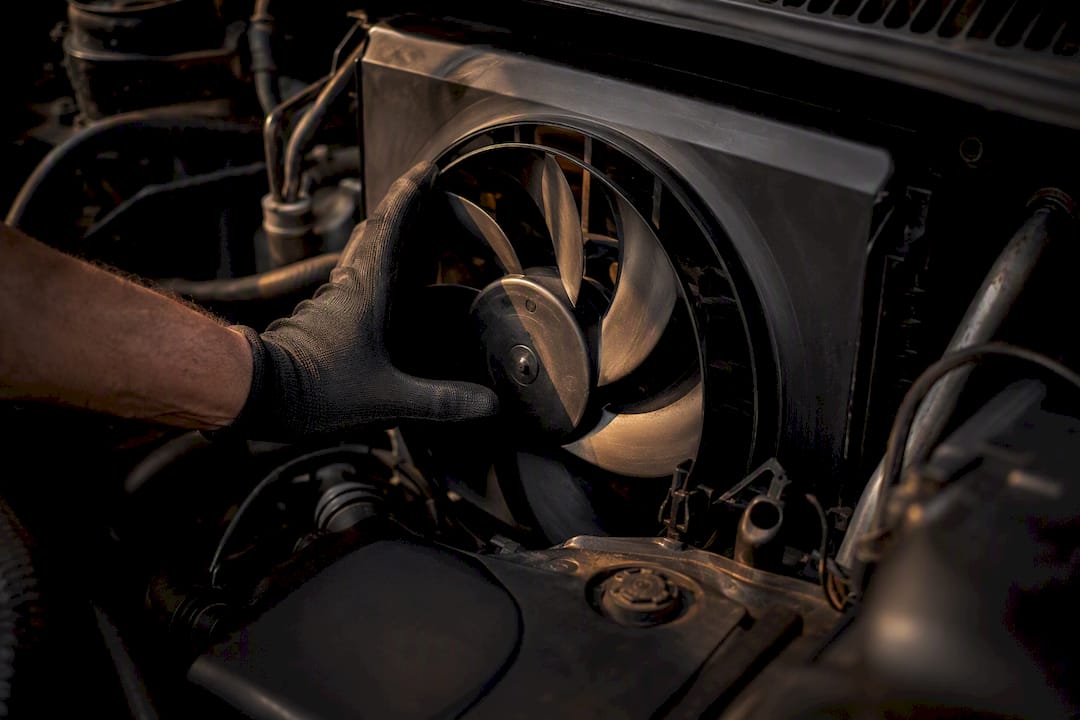
Most "aircon not cold" call outs turn out to be one of three things: a slow leak, a clogged condenser, or a filter nobody's changed in years. The trick is not guessing. It's testing pressures properly before touching anything.
What frustrates me is how many drivers get sold a regas for a leak that was never found or fixed, so the same fault returns within a season. A regas without a leak check is a temporary patch dressed up as a repair, and it costs the customer twice.
— David
How Trackside Auto handles an aircon call-out
There's no need to book a slot at a garage and wait around for a courtesy car. Trackside Auto comes to your home or workplace with a free call-out across Cheshire, running the same visual inspection, fan checks, and diagnostic testing a workshop would, then giving you a clear written quote before any work starts.

If a repair needs workshop-level equipment, such as a full evacuation and recharge or a compressor swap, Trackside will tell you plainly and point you to the right next step rather than trying to patch something on the drive. Before your visit, jot down your symptoms, when they started, and anything relevant like a recent front-end knock that could have damaged the condenser. That single note often shaves real time off the diagnosis.
Book a mobile mechanic visit if you're near Knutsford, Wilmslow, or Crewe, or check the Alderley Edge call-out page if that's closer to home. Either way, you'll get a straight answer and a proper quote, not a guess.
Authority links and consumer resources
- The Motor Ombudsman for repair dispute resolution and conduct standards
- Toyota's AC troubleshooting guidance on preventative checks
- Book a diagnostic visit with Trackside Auto
Sources
- What are the dangers of refilling your air conditioner yourself? — Mechanics Stack Exchange
- Why Is My AC Not Blowing Cold? | Diagnosis & Causes — Tedious Repairs
- Troubleshooting common car AC issues — Toyota
- The Motor Ombudsman